- Empty cart.
- Continue Shopping

School Locker Lock Won’t Open? Authorized Staff Triage Before Replacement
- Posted on
marketang
- Categories: Locks for School Lockers
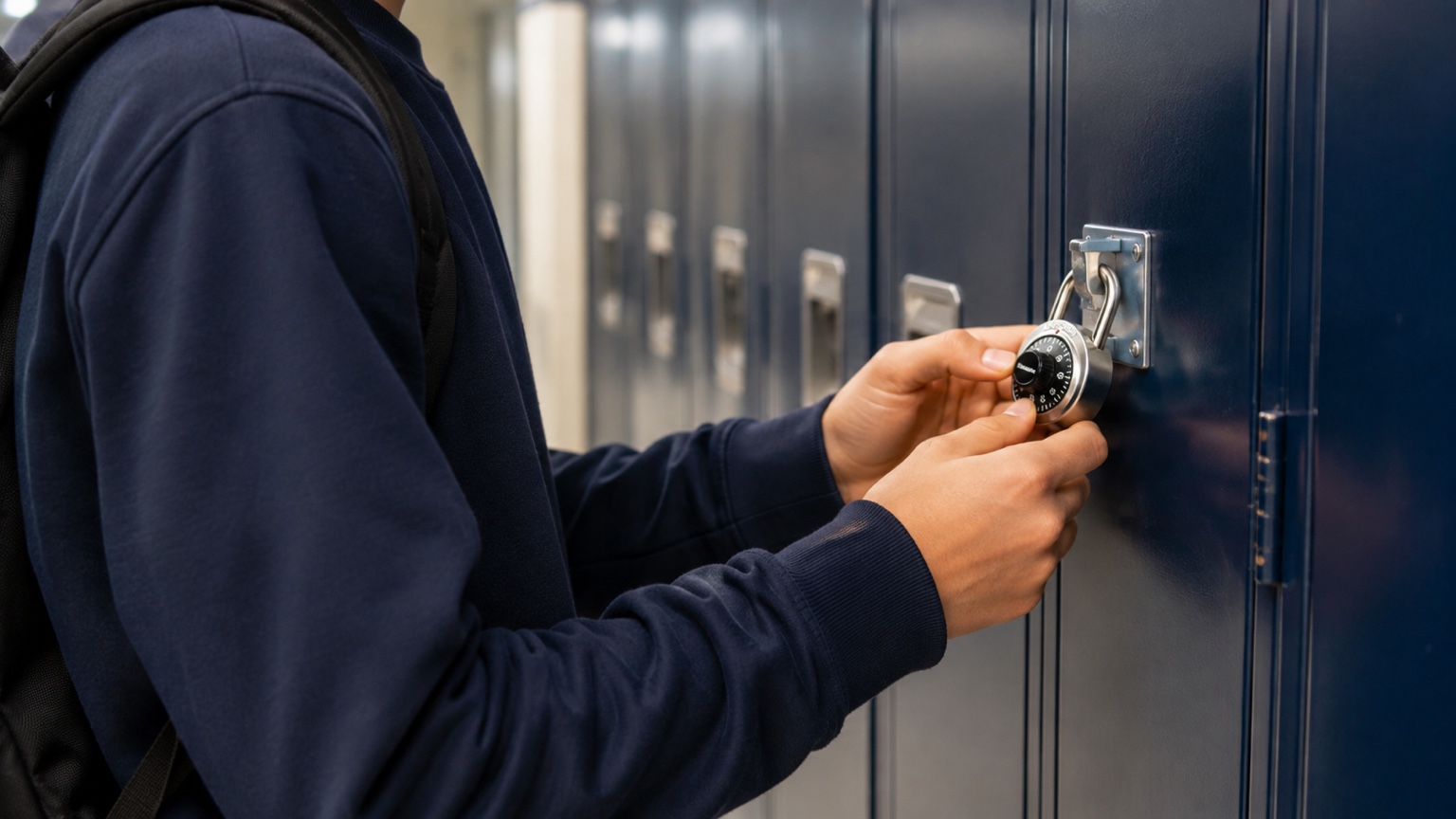
Short answer: when a school locker lock will not open, authorized staff should verify the lock’s identity and assigned record, check the correct operating instructions, and document the symptom before arranging service or replacement. A lock complaint can involve the user record, the lock, or the locker hardware. Avoid force and follow the school’s access policy.
Start with a useful incident record
Ask where the problem happened, when the lock last worked, and whether staff observed the difficulty. Record the locker number, lock model, visible serial number, and whether the unit is a portable padlock or built-in lock. Keep student details and access credentials in the school’s protected system, separate from photographs sent with a product inquiry.
A short description is more useful than “broken.” Note whether the dial feels difficult to turn, a known authorized combination was rejected, or the lock appears to operate while the locker door remains stuck. Record visible damage without attempting to straighten, dismantle, or modify the mechanism.
Separate record problems from hardware problems
Compare the physical lock identity with the current assignment record. During reassignments, a correctly remembered combination can belong to a different padlock or an earlier locker assignment. Authorized staff should resolve that mismatch through approved records before concluding that the lock has failed. Our school lock combination-management guide explains the administrative side.
Use instructions for the exact model. A portable combination padlock and a built-in locker lock do not necessarily have the same operating sequence or closing behavior. Master Lock’s student training library organizes instruction by model family. Provide the appropriate instruction privately to the assigned user; do not publish a student’s combination.
Escalate symptoms that need facilities review
If authorized operation does not resolve the issue, take that locker out of assignment until facilities staff assess it. A bent door, misaligned handle, loose mounting, or damaged hasp needs a locker-hardware assessment; ordering another lock with the same number may leave the underlying problem unchanged.
Do not force a control key or assume one school’s key works in another system. Master Lock restricts institutional control keys to registered users. For a service inquiry, share the model and symptom first; exchange sensitive system details only through the appropriate authorized process. No decoding or bypass procedure is needed to prepare a replacement request.
Prepare the service or replacement decision
Collect clear pictures of the lock and locker mechanism, the affected quantity, and any relevant previous order reference. The replacement identification guide helps organize fit information. Keep the removed item labeled so it is not accidentally returned to the usable stock.
Master Lock’s school locker support page describes warranty review and the information required. Coverage depends on the cause of failure and applicable terms; wear, damage, and misuse are not an automatic free replacement. Confirm the service route before shipping an item anywhere.
Frequently asked questions
Does a lock that will not open always need replacement?
No. First resolve assignment-record and operating-instruction questions. Persistent mechanical symptoms should be assessed by authorized facilities staff or the manufacturer before a replacement model is selected.
Should staff add lubricant immediately?
Use only the care instructions appropriate to that lock. An unresolved record mismatch or damaged locker will not be fixed by lubricant. Refer to Master Lock’s padlock care guidance for padlocks and obtain model-specific guidance for built-in units.
Can a student request an institutional control key?
School control-key systems are managed through authorized institutional users. Students should report the problem to designated school staff and follow the school’s access process.
What should a school send with a replacement inquiry?
Send the model, locker mechanism, photographs, affected quantity, and a concise symptom description. Contact School Lock Supply for product-selection help after staff have assessed the incident.