- Empty cart.
- Continue Shopping

End-of-Year School Padlock Collection: Inspect, Sort, and Store
- Posted on
marketang
- Categories: Locks for School Lockers
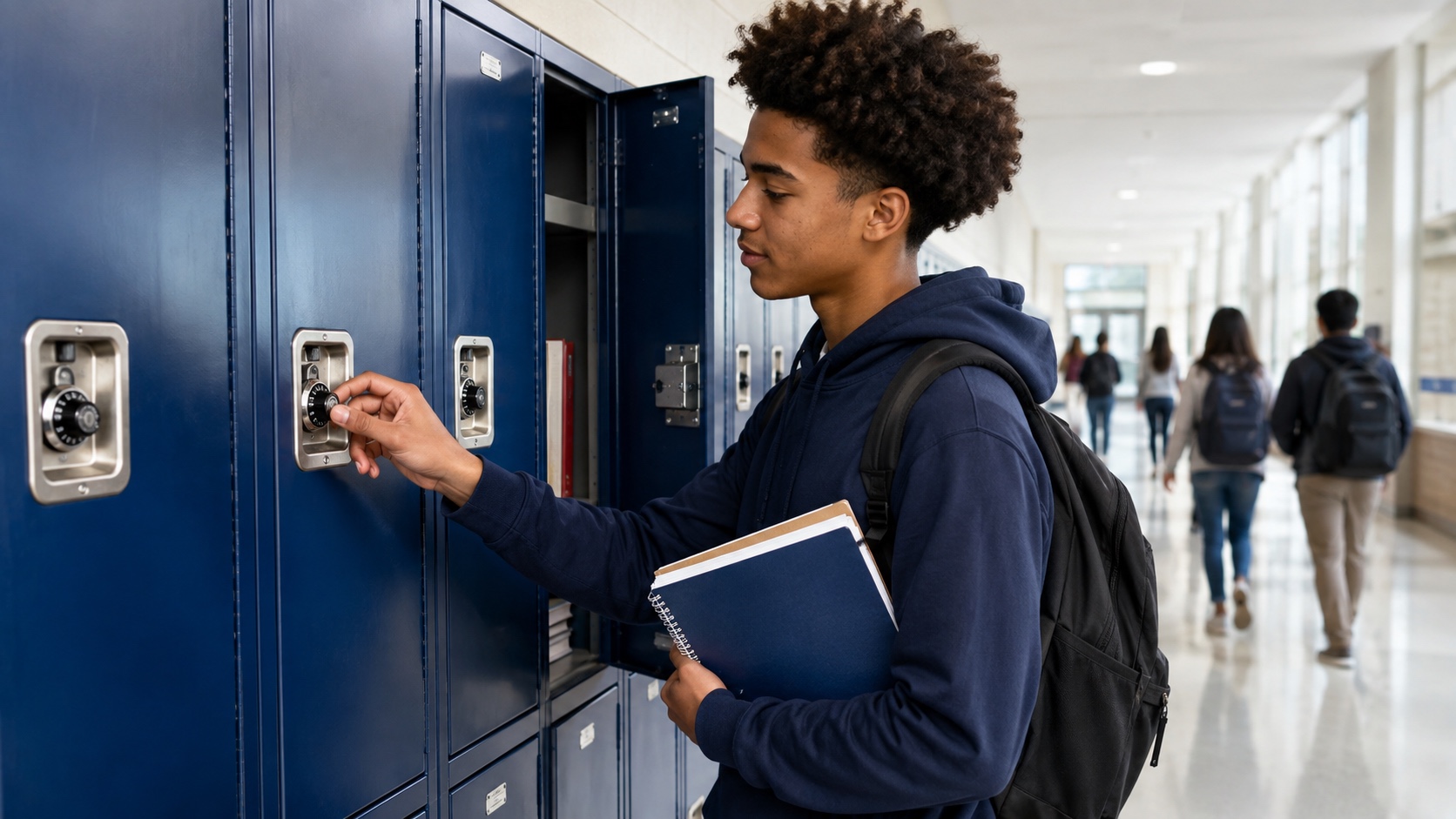
Short answer: collect school-owned padlocks against the assignment record, inspect and check them through authorized procedures, separate usable stock from items needing review, and store them with a reconciled inventory. Plan replacements from the serviceable count rather than the number of locks in a return bin.
The workflow below is a suggested school administrative process. Adapt it to local property, student-record, and access policies. Built-in locker locks require a separate facilities inspection plan; they are not portable stock to remove during a routine padlock collection.
Set up a return station before collection day
Assign a staff member to record returns and another, where practical, to handle condition checks. Identify what belongs to the school and what belongs to students. Tell students how and when to return school property through the established school process.
Prepare labeled containers for returned stock awaiting checks, checked usable stock, and items requiring review. Avoid marking an entire container “ready” simply because it has been counted. An unknown lock or an unreadable identifier should remain an exception until staff resolve it.
Match each return to the inventory
Record the lock identifier, model, condition, and disposition. Reconcile the return with the assignment record while keeping student information and combinations in the appropriate protected system. A plain stock label should not reveal the combination.
Keep different models and shackle variants distinct. Two padlocks may look similar but support different staff-access arrangements or fit different locker hardware. School Lock Supply’s portable combination lock catalog can help identify the model families, while the combination-management guide covers record ownership.
Inspect before putting a lock back into stock
We recommend checking for an identifiable model, readable inventory markings, visible damage, and normal operation using the authorized record and correct model instructions. Flag any inconsistent result for facilities review. Do not pass a doubtful lock to next year’s student merely because it eventually opened once.
Distinguish a condition issue from a record issue. A sound padlock with no confirmed record is not ready to issue, and a known combination does not make a visibly damaged unit serviceable. Label the reason for the hold so the next staff member knows what remains unresolved.
Schedule care and protected storage
Follow Master Lock’s padlock care instructions for applicable models. The manufacturer recommends periodic cleaning and lubrication, with more frequent attention in demanding environments, and warns against dry graphite and silicone lubricant. Use its current directions rather than an improvised treatment.
After inspection and appropriate care, we recommend dry, protected storage with containers labeled by model, configuration, count, and inspection status. Keep sensitive records and control keys under the school’s access controls. Record who completed the work and who will release stock when assignments resume.
Turn the count into a purchasing decision
Summarize serviceable stock, unresolved items, missing returns, and confirmed replacement needs separately. Add the school’s planned assignments and locally approved spare allowance. Avoid treating unresolved stock as ready inventory or assuming every reported issue requires a new padlock.
Use the bulk school-lock quote checklist when quantities are settled. Include the exact models and configurations needed; current availability and timing should be confirmed with the quote.
Frequently asked questions
Should every returned padlock be checked?
A recorded condition and authorized operation check for each returned unit helps distinguish usable inventory from uncertain stock. The school should define the process and who is responsible.
Can staff change every padlock combination for next year?
Do not assume that a padlock is resettable. Follow the exact model’s manufacturer guidance and the school’s reassignment policy. Different institutional locks have different capabilities.
Should combinations be written on storage bins?
No. Use non-sensitive inventory references on containers and keep combinations in the protected administrative record.
What if a lock is damaged or its identity is uncertain?
Hold it separately for authorized review. If a replacement is required, contact School Lock Supply with the model, locker details, quantity, and photographs that do not expose access credentials.